The Director’s Cut: Why the Next Era of Digital Experience is Cinematic
We are living through the death of the scroll. For years, the internet has been built on the skeleton of the file cabinet—nested folders, rigid grids, and transactional pathways designed to move a user from point A to point B as quickly as possible. This is the realm of the agency. It is the realm of optimization, of shave-a-second-off-the-load-time, and of the click-through rate. But for the visionaries, the conservationists, the musicians, and the founders who are building the future, optimization is not enough. Optimization is invisible. Meaning is felt.
At 1976 Studios, we believe that the browser is not a container for information; it is a camera lens. It is a stage. It is a window into a living documentary. By applying a century of film theory to the next generation of digital architecture, we are moving beyond the concept of 'User Experience' and into the 'User Odyssey.' This is the shift from providing a service to creating a culture.
The User Odyssey: Montage and the Art of Continuity
In cinema, the Kuleshov Effect proves that the viewer derives more meaning from the interaction of two sequential shots than from a single shot in isolation. This is the essence of montage. Traditional web design treats pages as isolated silos. A 'User Odyssey' treats the transition between elements as a narrative arc. When a user scrolls through a 1976 Studios digital experience, they are not just moving down a page; they are engaging in a cinematic montage. We utilize continuity editing techniques to ensure that every visual beat—every fade, every movement of typography—builds upon the previous one. This creates a psychological flow that keeps the viewer immersed, transforming a standard landing page into a cohesive story. The goal is not just to show information, but to build an emotional crescendo that resonates long after the tab is closed.
Digital Scenography: The Browser as a Camera Lens
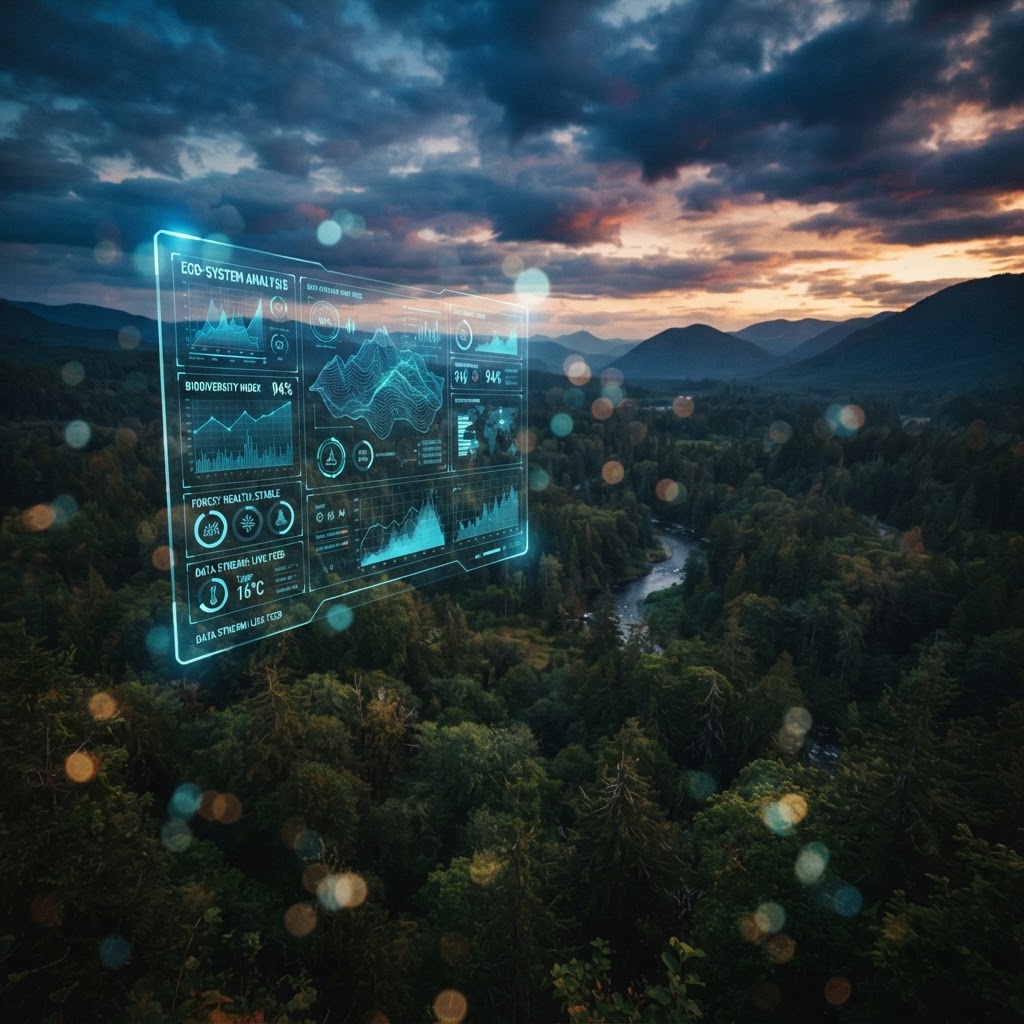
Most web design is flat. It exists in two dimensions, bound by the x and y axes of the screen. 1976 Studios employs 'Digital Scenography' to introduce depth of field, parallax, and atmospheric perspective to the digital world. By treating the browser window as a lens, we can direct the user’s eye using focus and scale. Imagine a conservation organization’s website where the background isn't just a static image, but a multi-layered environment where the foreground moves faster than the distant horizon, creating a visceral sense of scale. Using advanced web framework performance, we can render high-fidelity cinematic visuals that feel massive yet remain lightweight. This sense of depth creates a physical reaction—the feeling of being 'inside' the brand’s world rather than merely observing it. This is the difference between a website and an immersive experience.
The Dynamic Score: Adapting the Pulse of the Interface
A film without a score is incomplete. In the digital landscape, the 'score' is the visual and sonic tempo of the interface. Through the integration of generative UI and adaptive media, we create digital architectures that respond to the user’s pulse. If a visitor scrolls slowly, lingering on a piece of long-form narrative content, the interface responds with subtle, ambient transitions and a slower visual tempo. If they move with urgency, the composition tightens, and the interactive media becomes more percussive and direct. This isn't just about 'motion design'; it’s about a living, breathing interface that harmonizes with the user’s intent. For musicians and creators, this means their digital home can finally reflect the cadence of their art.
Compositional Flow: Beyond the Grid
The grid was a revolutionary tool for print layouts, but it has become a cage for the modern web. To build a cinematic interface, we must move toward 'Compositional Flow.' In this framework, web elements—text blocks, video fragments, interactive nodes—are treated as characters in a brand’s narrative arc. They do not just sit in boxes; they enter the frame, interact with one another, and exit with purpose. This creates a sense of life and spontaneity. When we design for a purpose-driven brand or a visionary founder, we aren't just placing pixels; we are blocking a scene. We use negative space to create tension and bold, cinematic typography to deliver the climax of the message. This departure from cookie-cutter UX design ensures that the digital footprint of a brand is as unique as its mission.
The Living Documentary: Legacy for the Mission-Driven
For conservation organizations and nonprofits, the digital experience should be an act of preservation. We view the 'Director’s Cut' of a website as a 'Living Documentary.' It is an archival, high-fidelity testament to the work being done. By prioritizing legacy over clicks, we build platforms that serve as digital sanctuaries. In an era where content is ephemeral and forgotten in seconds, a cinematic interface provides a sense of permanence. It demands attention. It commands respect. We balance this high-art approach with the technical rigors of Core Web Vitals, ensuring that while the experience is immersive, it is also accessible and high-performing across all devices. We don't sacrifice speed for soul; we use speed to deliver the soul of the brand faster.
A Call to Visionaries: Build the Future with Us
The era of generic marketing is over. The visionaries of 2026 and beyond know that to change the world, they must first move the people within it. 1976 Studios is here to build the media that does exactly that. We are not just building websites; we are directing the digital future of your brand. If you are ready to move beyond the scroll and into a cinematic legacy, let’s begin the journey. This is the Director’s Cut of your vision.
Ready to transform your brand into a cinematic experience?